The One True God: A Designer’s Review Before You Stitch
When I first opened The One True God, I was looking for a design that could carry weight—both in meaning and in how it would read on a finished product. As someone who reviews machine embroidery designs for real project use, I’m not just looking for something pretty. I need to know if it will hold up under the needle, if it will look good on a sweatshirt or a tote bag, and if my customers—whether they’re buying for themselves or as a gift—will feel that the design was worth the money. This design, part of a Christian Designs bundle, is a cutting file compatible with Cricut and Silhouette machines, and it’s described as usable for t-shirts. But as an embroidery designer, I immediately started thinking about how it would translate into stitches, thread, and fabric.
First Impressions: Mood, Layout, and Visual Personality
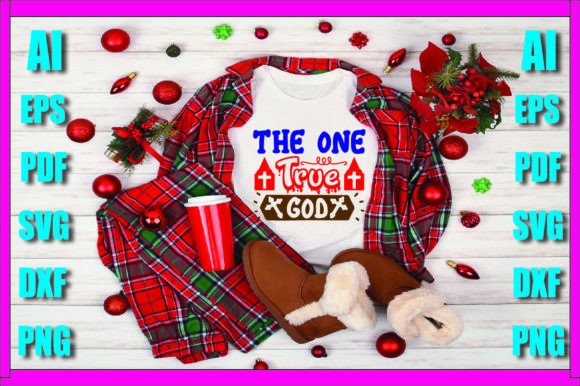
The first thing I noticed about The One True God is its directness. The layout is clean, and the typography has a confident, uncluttered feel. There’s no unnecessary ornamentation, which tells me this design was built to be read clearly at a distance. The mood is reverent but not overly ornate—it feels like something you’d see on a Sunday morning or at a faith-based event, but it also has a modern enough look to work on a casual sweatshirt or a gift for a friend. The shape is balanced, and the detail level is moderate, which means it should stitch out without excessive density issues. From a designer’s perspective, this is a solid foundation for an embroidery project. The visual personality is straightforward and grounded, which makes it versatile for a range of handmade products, from personalized gifts to small business merchandise.
Real Project Use: Stitching a Custom Tote Bag and a Sweatshirt
I decided to test The One True God on two very different products: a sturdy canvas tote bag and a mid-weight cotton sweatshirt. For the tote bag, I wanted to see how the design would hold up on a textured fabric that gets a lot of use. I hooped the canvas with a medium-weight cutaway stabilizer, and I used a black thread on a natural cream fabric. The design stitched out cleanly, with no shifting or distortion. The letters were crisp, and the fill areas had a nice, even satin stitch appearance. On the sweatshirt, I used a lighter adhesive stabilizer and a white thread on a heather gray garment. The design sat nicely on the fabric, and the slight stretch of the sweatshirt didn’t cause any puckering. This is a design that feels like it was made for apparel—it lays flat, it reads well, and it doesn’t fight the fabric.
I also imagined using this for a baby blanket or a nursery decor item. The theme is meaningful enough for a christening gift or a holiday present, and the clean lines would work well on a soft fleece blanket or a pillow cover. For an embroidered patch, this design would be an excellent candidate because the shapes are distinct and the lettering is large enough to survive trimming and edge finishing. I could see it on a cap, though I’d recommend testing it on a curved hoop or a cap frame first, because the layout is horizontal and needs to sit properly on the front panel.
Performance in Real Embroidery Situations
In my experience, the success of any digital embroidery file depends on how it handles different fabrics and products. The One True God performed well in several real-life scenarios, but there are a few things to keep in mind. On custom apparel like t-shirts and sweatshirts, the design holds its shape and the stitch density feels appropriate—not too heavy, not too loose. On a tote bag or an apron, where the fabric is thicker, the design still reads clearly, and the stabilizer choice becomes more important. I recommend using a tear-away or cutaway stabilizer depending on the fabric weight, and always testing on scrap fabric before committing to a finished product.
For Etsy sellers and small shop owners, this design is a strong candidate for personalized gifts. The theme is broad enough to appeal to a faith-based audience, but the clean presentation means it won’t feel dated or overly niche. I can see it working well for holiday embroidery, especially around Christmas and Easter, and for boutique products that need a professional, handmade presentation. The design also works in printable mockups, which is helpful if you’re creating digital listings or product previews for your online store. As a Print Templates Graphics asset, the original file is designed for cutting machines, but the motif translates well into embroidery if you have the right digitized version.
Where to Use This Design Carefully
No design is perfect for every situation, and The One True God has a few areas where I’d recommend caution. First, the design is not ideal for very small hoop sizes. If you’re working with a 4x4 hoop, you may need to scale the design down, but be careful—smaller lettering can lose clarity, especially if the stitch density is high. I’d suggest testing the design at different sizes to see where the detail starts to break down. On textured fabrics like thick fleece or heavy canvas, the design still works, but you may need to increase the stabilizer weight or use a topping film to keep the stitches from sinking into the fabric. On stretchy fabrics like jersey knit or lightweight tees, the design can pull if the stabilizer isn’t secure. I recommend using a medium-weight cutaway stabilizer and a light adhesive spray for fabrics that move.
Dark fabrics are another consideration. The design uses a positive space layout, so if you’re stitching it in a light thread on a dark garment, the contrast will be strong and the design will pop. But if you’re using a dark thread on a dark fabric, you may lose the definition, especially in the fill areas. I always test thread colors on a scrap piece of the same fabric to make sure the design reads well. For caps and curved surfaces, the horizontal layout of the design means it needs to be centered carefully, and the corners of the lettering should not be too close to the seam of the cap front. I’d also be careful with dense stitch areas on lightweight fabrics, as they can cause the fabric to pucker or the design to feel stiff. If you’re making a baby gift or a product that needs frequent washing, use a high-quality thread and a soft stabilizer that won’t irritate the skin.
How the Design Affects Visual Appeal, Product Value, and Customer Trust
When a customer buys a handmade product, they are trusting that the design will look good and last. The One True God contributes to that trust in a few ways. First, the clean layout and readable typography make the product look professional. Whether it’s on a sweatshirt, a tote bag, or a pillow cover, the design doesn’t look like an afterthought. It looks intentional. That matters for brand consistency, especially if you’re a small business owner selling multiple products with the same design. The design also has good giftability—it’s easy to imagine someone buying this for a friend or family member and feeling confident that the recipient will appreciate both the message and the quality.
From a buyer engagement perspective, a design that stitches out cleanly and looks good in photos will generate more interest in your shop. If you’re an Etsy seller, you know that product photos are everything. A design that photographs well, whether on a garment or in a printable mockup, will help your listings stand out. I’ve seen too many designs that look great in the digital file but fall apart in the stitching. The One True God is not one of those designs. It holds up in real use, which means your customers will be happy, and happy customers leave reviews and come back for more.
Practical Embroidery Designer Notes for This Project
Before you start stitching, here are a few notes from my own testing. First, test the design on scrap fabric that matches your final product. I know this is a basic step, but I’ve seen too many crafters skip it and regret it later. Check the thread color contrast against the fabric. If the design has a fill stitch, make sure the thread color is dark enough or light enough to stand out against the background. I also recommend reviewing the stitch density before you sew. If the design feels too dense, consider reducing the size slightly or using a lighter stabilizer. But if you scale it down too much, the small details may become unclear.
Test the design in a black and white mockup to see how the positive and negative space interact. This is especially helpful if you’re planning to use the design on a light fabric with a dark thread or vice versa. I also compare the design on light and dark fabric backgrounds to make sure the contrast is right. For commercial embroidery projects, you need to confirm the licensing terms before selling finished items or digital products. The original bundle is a cutting file, but if you’re using it for embroidery, you may need a separate digitized embroidery file. Check the file format and hoop size compatibility with your machine. I also recommend using a proper stabilizer for the fabric type—cutaway for knits, tear-away for wovens, and a water-soluble topping for napped fabrics like fleece or toweling.
Final Thoughts on The One True God for Your Embroidery Projects
After working with The One True God on several test projects, I feel confident recommending it for a range of embroidery applications. It’s a design that delivers on its promise: clean, readable, and meaningful. Whether you’re making a custom t-shirt for a church event, a personalized gift for a friend, or a boutique product for your small shop, this design has the visual weight and stitching clarity to make your project look professional. The key is to test it on your specific fabric, use the right stabilizer, and pay attention to scale and contrast. If you do that, you’ll end up with a finished product that your customers will appreciate and that you’ll be proud to sell.
For the Print Templates and Graphics category, this design is a solid asset that can be adapted for both digital and stitched projects. As an embroidery designer, I look for designs that are versatile, readable, and realistic to stitch. The One True God checks all those boxes. I’d recommend it to any crafter, Etsy seller, or small business owner who wants to add a faith-based design to their product line without sacrificing quality or professionalism.