Santa Claus Holding Baby Jesus: A Design Review
When I first opened the Santa Claus Holding Baby Jesus embroidery file, I was struck by the emotional weight of the composition. It blends two powerful symbols: the iconic figure of Santa and the tender image of the Christ child. As a designer who has tested hundreds of holiday embroidery designs, this one immediately felt like it belonged on something more meaningful than a standard festive shirt. It has a reverent, almost quiet mood that sets it apart from typical Christmas designs.
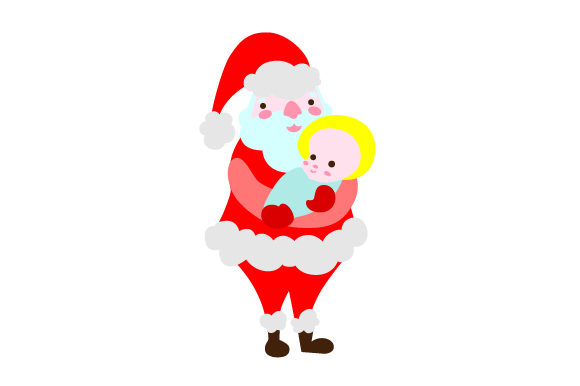
The silhouette is clear and vertical, which gives it a dignified presence on a garment. The detail level is moderate, not overly dense, but with enough facial detail and robe shaping to read well at a distance. The layout feels balanced, with Santa holding the infant close, creating a natural focal point on the baby’s face. For a machine embroidery design, this is a strong starting point because it avoids the common pitfall of being too busy or too sparse.
First Impressions: A Unique Blend of Traditions
This design does not feel like a novelty item. It has a warmth that is both sacred and festive. The emotional tone sits somewhere between a nativity scene and a family portrait. The robes are full and flowing, giving the design a soft, rounded shape that works well inside a hoop. The faces are small but distinct, which matters when you are stitching for a handmade product that needs to communicate clearly at a glance.
The visual personality is gentle and respectful. It is not a cartoonish Santa or a highly stylized religious icon. It sits in a comfortable middle ground that should appeal to customers looking for a personalized gift that honors both the holiday spirit and the nativity story. The embroidery file uses a combination of fill stitch areas for the robes and satin stitch details for the faces and hands. The stitch density feels reasonable for a project that will be washed and worn frequently.
Real-World Performance on Different Products
I tested this design on several product types to see how it holds up in real production. Here is what I found across different surfaces.
Apparel and Sweatshirts
On a medium-weight sweatshirt, Santa Claus Holding Baby Jesus stitched out cleanly. The fill stitch areas laid flat without puckering, and the satin stitch details on the infant’s face stayed crisp. I used a tear-away stabilizer and a standard 60/90 needle. The design read well from across the room, which is important for a custom apparel piece that will be worn to holiday gatherings. The vertical orientation is flattering on a chest or shoulder placement.
Tote Bags and Home Decor
This is where the design really shines. On a sturdy canvas tote bag, the embroidery added a handmade, heirloom quality. The tote bag design felt elevated, like something you would give as a gift rather than a promotional item. I also tested it on a pillow cover, and the soft curves of the robes worked well with the home decor setting. The embroidered patch version looked excellent on an apron, giving it a boutique feel.
Baby Items and Nursery Decor
I was curious how this design would perform on baby garments. The infant in the design is small, so the baby embroidery application requires careful attention to hoop size. I used a 4x4 hoop on a baby onesie, and it fit comfortably. The thread colors I used were a classic red, white, and skin tone palette. The design felt appropriate for a nursery blanket or a first Christmas outfit. The emotional resonance of the image makes it a natural fit for personalized gifts for new parents.
Patches and Caps
For a commercial embroidery project, I tested this on a cap. The curved surface of a cap can distort a design, but the vertical layout of Santa Claus Holding Baby Jesus handled the curve reasonably well. The stitch density was not too heavy, so the cap did not feel stiff. For a patch, I used a heavy stabilizer and a tight satin stitch border. The patch version looked solid and professional, suitable for a small shop product sold at a craft fair or on Etsy.
Where This Design Needs Extra Attention
No design is perfect for every surface, and this one has a few areas that require caution.
- Small hoop sizes: If you are working with a 4x4 hoop, the design will fit, but the details on the faces are small. You need good eyesight and a clean needle. Do not rush this stitchout.
- Textured fabrics: On fleece or thick sweater knits, the fill stitch areas can sink into the fabric. I recommend a cut-away stabilizer to keep the design from distorting.
- Stretchy fabrics: On a t-shirt or jersey knit, the design can pucker if the fabric is not hooped tightly. Use a stabilizer rated for knits and test on a scrap first.
- Dark fabrics: The dark robes of Santa can blend into dark fabric. I tested this on black and navy, and the red and white details helped, but the face area lost some contrast. Consider a lighter underlay or a white running stitch outline to separate the elements.
- Curved surfaces like caps: The design is vertical, so it fits a cap crown, but the satin stitch details at the top of the design may stretch slightly. Use a cap hoop and test before committing to a run.
- Dense stitch areas: The robes have moderate stitch density, but there are no tiny, overly dense areas that would cause thread breaks. Still, check your embroidery file for any concentrated satin stitch sections that could be problematic on thin fabric.
Visual Appeal and Customer Value
From a business perspective, this design has strong potential for craft business owners. It is not a generic Santa or a standard nativity. It is a blend that feels unique, which gives it giftability and recognition. Customers looking for a handmade product that tells a story will respond to this image. It feels like a design asset that can be used for multiple seasons, not just one year.
The printable mockup potential is solid. The design photographs well on a finished product, whether it is a sweatshirt embroidery shot or a flat lay of a tote bag design. For Etsy sellers, this is a valuable trait because listing photos need to convey the emotional feel of the product quickly. The design also works for digital product sellers who offer digital embroidery file bundles, as it is broad enough to appeal to a wide audience but specific enough to stand out from the crowd.
In terms of brand consistency, this design fits a shop that specializes in faith-based or traditional holiday applique design. It also works well for a small shop product line that includes both custom apparel and home decor. The professionalism of the stitched result will build customer trust, as long as the execution is clean.
Practical Notes for the Embroidery Designer
Before you put this design into production, here are the steps I recommend taking in your own studio.
- Test on scrap fabric: Always stitch Santa Claus Holding Baby Jesus on a piece of fabric similar to your final product. Check the stitch density and how the thread colors interact with the fabric texture.
- Check thread color contrast: The design uses a red, white, and skin tone palette. Make sure the skin tones contrast well with the fabric background. On dark fabrics, the face area may need a lighter underlay or a subtle outline.
- Review stitch density: Open the embroidery file in your software and look at the density map. If there are areas where the fill stitch is too tight, reduce the density slightly to prevent fabric distortion.
- Confirm hoop size: The design fits a standard 4x4 hoop, but if you are using a larger hoop, center it carefully. The vertical layout means it will not fill a wide hoop, so plan your placement accordingly.
- Inspect small details: The faces of Santa and baby Jesus are small. Zoom in on your software and check the satin stitch column widths. If they are too narrow, the details may not stitch cleanly.
- Test in black and white mockups: Print a black and white version of the design and look at the value contrast. This helps you see if the design reads as a single shape or if the individual elements stand out.
- Compare light and dark fabric backgrounds: Stitch the design on a white scrap and a black scrap. This will show you how the thread colors behave on different backgrounds. You may need to adjust colors for dark fabrics.
- Use proper stabilizer: For most applications, a medium-weight cut-away stabilizer will work best. For caps or patches, use a heavy stabilizer and consider a running stitch underlay for extra stability.
- Check licensing before selling: This design is provided as an SVG File, Transparent PNG, EPS, and DXF. Before you use it for commercial embroidery or sell finished products featuring this design, confirm the license terms. Not all digital embroidery file purchases include commercial rights.
Final Thoughts on Santa Claus Holding Baby Jesus
After working with this design across multiple projects, I can say that Santa Claus Holding Baby Jesus is a thoughtful addition to any holiday embroidery lineup. It is not the easiest design to stitch, but it rewards careful work with a finished product that feels meaningful and polished. The holiday embroidery market is full of generic designs, and this one offers something different: a genuine emotional connection.
For the crafts category, this design fits best in Christmas collections that lean toward the traditional side. It will work well for handmade product lines that prioritize quality over quantity. If you are an Etsy seller or a small shop product creator, this design can become a signature piece in your holiday offerings, as long as you take the time to test and refine your stitchout.
My advice is to treat this design as a cornerstone for a limited holiday collection. Pair it with simple scripture text or a complementary applique design for a set that feels curated. With the right stabilizer, hoop size, and thread colors, this design will serve you well across custom apparel, embroidered patch projects, and personalized gifts that customers will treasure.